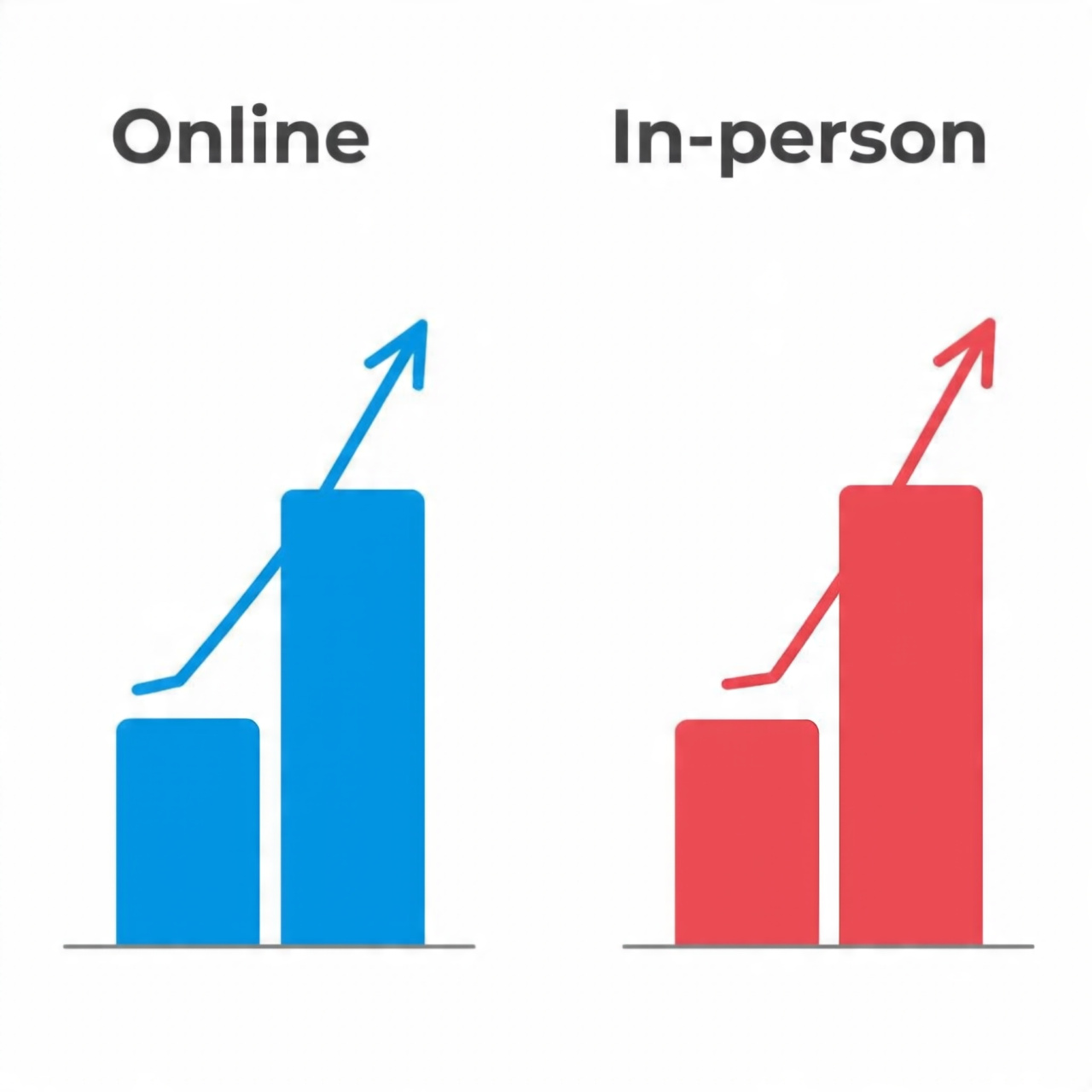
The Rise of Online Learning: A New Era in Education
Over the past few decades, the rapid advancement of technology has revolutionized nearly every aspect of our lives—and education is no exception. Among the many innovations introduced, the development of online learning environments stands out as one of the most transformative. While the core objectives of online and traditional classroom learning remain the same, the methods used to achieve them have diverged significantly. Online education offers notable advantages in flexibility, personalized learning, and time management, while in-person learning still holds value in fostering direct engagement and classroom discipline.
In-Person Learning: Structure and Real-Time Feedback
Traditional classroom-based education continues to be widely used and valued for its ability to foster real-time interaction between teachers and students. In face-to-face settings, educators can assess student engagement through both verbal and nonverbal cues, adjusting their teaching strategies accordingly. This allows for a more immediate and tailored response to learners' needs.
However, while this level of control is beneficial in maintaining classroom discipline and focus, it can also limit student autonomy. Relying too heavily on teacher-led instruction may hinder the development of independent learning skills. Encouraging students to take initiative in their studies—such as through inquiry-based learning or guided discovery—can be more challenging in environments where the teacher maintains full control.
Online Learning: Flexibility and Personalization
In contrast, online learning introduces a flexible framework that benefits both educators and students. Without the need to commute or physically transition between classrooms, learners can save valuable time and structure their day more efficiently. This flexibility often leads to better time management and allows students to learn at their own pace.
Additionally, studying in a familiar environment—such as at home—can enhance comfort and motivation. Online platforms often include customizable resources, digital tools, and interactive activities that support a more individualized approach to education. While concerns may arise over home environments being less organized than classrooms, many students find that they are able to create spaces that support their personal learning styles more effectively.
Challenges and Opportunities in Online Education
Despite its many benefits, online learning does present challenges—particularly in keeping students consistently engaged. Without direct supervision, some learners may struggle with focus and accountability. To address this, educators must adopt dynamic teaching strategies, including the use of gamified content, regular assessments, and interactive activities to maintain attention and encourage participation.
Strong digital leadership and effective communication skills are essential for online educators. By fostering a sense of community in virtual classrooms and encouraging collaboration among students, teachers can create a supportive learning environment that replicates the benefits of face-to-face interaction.
Blending the Best of Both Worlds
While online education is often viewed as the future of learning, both modalities have their strengths. In-person education excels in fostering interpersonal connections and structured learning, while online education shines in promoting autonomy, flexibility, and tech-savviness.
As the education system continues to evolve, hybrid models that combine the best elements of both approaches are gaining popularity. These blended learning environments offer structure alongside independence, catering to a wide range of learner needs.
Conclusion: Embracing the Future of Learning
In conclusion, online learning represents a significant step forward in modern education. With proper planning, interactive content, and strong digital leadership, it can empower students to become more independent, motivated, and curious learners. While traditional classrooms still serve an important role, the future of education lies in embracing technology and creating flexible, student-centered learning environments. By doing so, we open the door to a more inclusive, adaptive, and forward-thinking academic landscape.
'Blog' 카테고리의 다른 글
| Why Face-to-Face Education Offers More Benefits Than Online Learning (0) | 2025.08.10 |
|---|---|
| Mathematics Teacher’s Career Goal (0) | 2025.08.10 |
| Hilton’s Career Development and Employee Motivation (1) | 2025.08.09 |
| Becoming a Professional in Your Career (0) | 2025.08.09 |
| Personal SWOT Analysis to Determine the Career Development Strategy (0) | 2025.08.09 |